New Construction Homes in Omaha – Where to Find Them
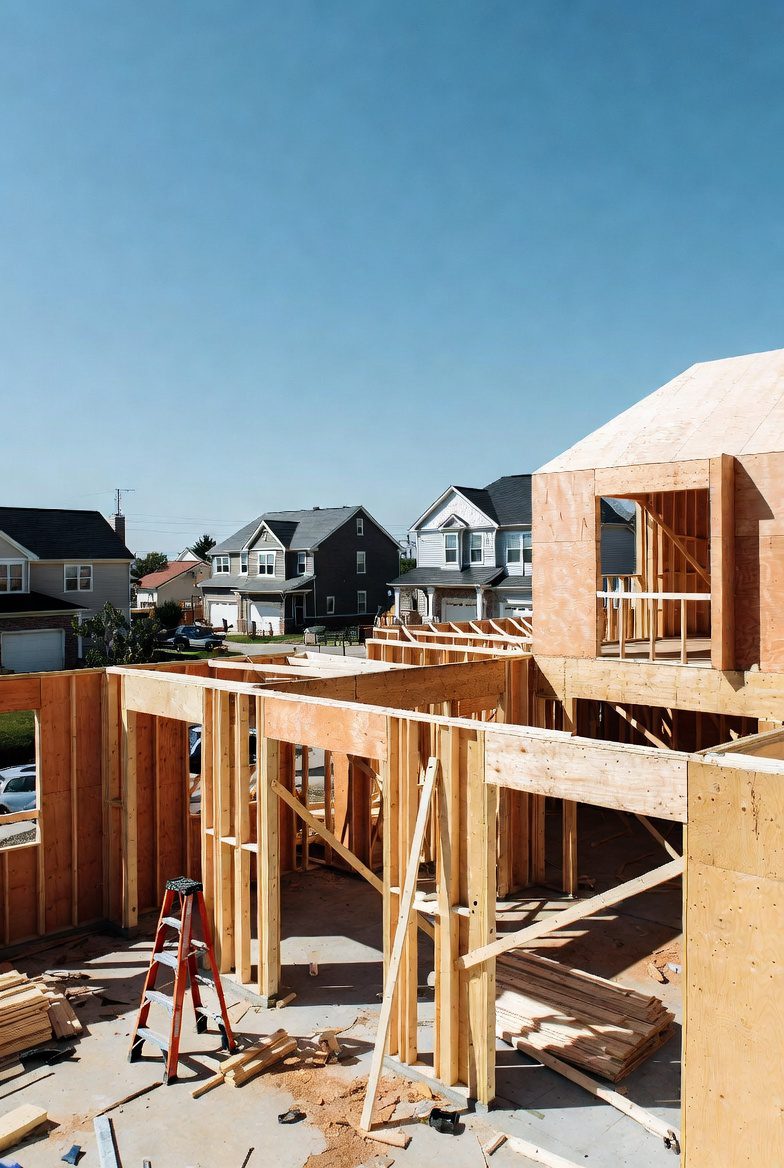
New construction in Omaha follows a simple pattern: growth tracks access. Neighborhoods expand along corridors with strong schools, practical commutes, and everyday amenities. Finding the right fit is less about chasing a hot spot and more about matching a routine to a location, a plan, and a timeline. This guide maps the process so shoppers can evaluate options with clarity.
Start with the map, not the model
A successful search begins with the everyday loop. Commute routes, school patterns, grocery stops, parks, and weekend activities set the search area. Once those anchors are clear, it becomes easier to focus on subdivisions that keep most trips short. Builders publish active neighborhoods, which makes it straightforward to compare lot availability and siting across the metro in one place through the list of current communities.
How to compare neighborhoods fairly
Blocks inside the same subdivision can live very differently. Sun exposure influences indoor comfort and backyard use. Yard depth and neighboring window placement affect privacy. Driveway slope matters in winter. A quick walk at different times of day often answers more than a brochure. Standing at a lot’s rear setback and imagining a patio or garden converts abstract square footage into lived space. Noting traffic patterns and distance to parks or trails helps distinguish two otherwise similar addresses.
Touring models to turn plans into real rooms
Paper plans rarely convey room scale or light. Touring several model homes in one trip gives a fast read on how families will actually move through a space, where storage will absorb daily clutter, and how sightlines connect kitchen, living, and backyard. For a current list of addresses and hours, shoppers can check available model homes. Visiting models built from different plans also reveals how small layout changes alter privacy, acoustics, and furniture placement.
Choosing a floor plan that fits routines
Square footage only matters when it serves function. A two-story often separates quiet bedrooms from active gathering areas, while a ranch suits single-level living or long-term accessibility. Circulation and storage decide most ties. A garage entry near a drop zone prevents gear from landing in the kitchen. A pantry within a few steps of the prep area shortens daily tasks. Upstairs laundry near bedrooms removes extra trips. Reviewing a builder’s plan library helps filter quickly; Charleston’s lineup is organized under home plans.
Timing paths: to-be-built or nearly finished
Timelines rarely match perfectly with a ground-up schedule. When a move date is firm, inventory already underway can be the better route. These homes trade deep customization for certainty while retaining modern layouts and systems. Shoppers can scan active listings and completion windows in one place by checking move-in ready homes. For those with flexibility, starting from a lot and plan offers the widest set of orientations and selections.
What “included” really means
Models often showcase upgrades that look great under event lighting but do not change daily function. A useful comparison focuses on what is included by default and which options materially improve use. Durable surfaces in high-traffic areas, task lighting where cooking happens, and storage that absorbs bags and shoes remove friction from the first week of living in a home. Decorative extras can follow later. Asking for an inclusions sheet and marking it during a model tour keeps evaluations honest.
The role of process in a calm build
Clarity turns a complex project into a manageable sequence. A defined path from contract through selections, framing checks, and walkthroughs reduces uncertainty and speeds decisions. Understanding who communicates at each stage and what those updates look like prevents surprises. For a step-by-step overview, buyers can review the published building process. The same structure helps when purchasing a home that is already in progress, since milestones compress but do not disappear.
Costs beyond the sticker
Total cost is more than base price. Lot premiums, elevation choices, and popular options should be viewed together. Operating costs matter as well. Insulation approach, window performance, and mechanical layout influence comfort and utility bills long after closing. During tours, noting how quiet the second floor feels, how evenly rooms hold temperature, and where filters and shutoffs can be reached offers practical insight into long-term ownership.
A simple checklist to bring on tours
A quick scoring sheet keeps comparisons grounded:
- Commute routes, school access, and proximity to parks
- Backyard sun exposure and privacy from neighboring windows
- Circulation from garage to kitchen and storage at entry points
- Pantry capacity, laundry location, and primary suite layout
- Noise at typical weekday and weekend times
- Inclusions that affect function versus cosmetic upgrades
- Timeline alignment, including availability of inventory in the same area
Two minutes on each item often reveals the clear front-runner.
New Construction Homes in Omaha, Nebraska
New construction in Omaha rewards a practical approach. Start with the map, verify how lots and models live at full scale, and choose the plan and timeline that best match real routines. Neighborhood options can be surveyed in one place, models can be walked in a single afternoon, and plan choices can be narrowed quickly with a functional checklist. With those pieces aligned, the search becomes less about luck and more about fit.