What is a Spec Home?: Everything You Need to Know
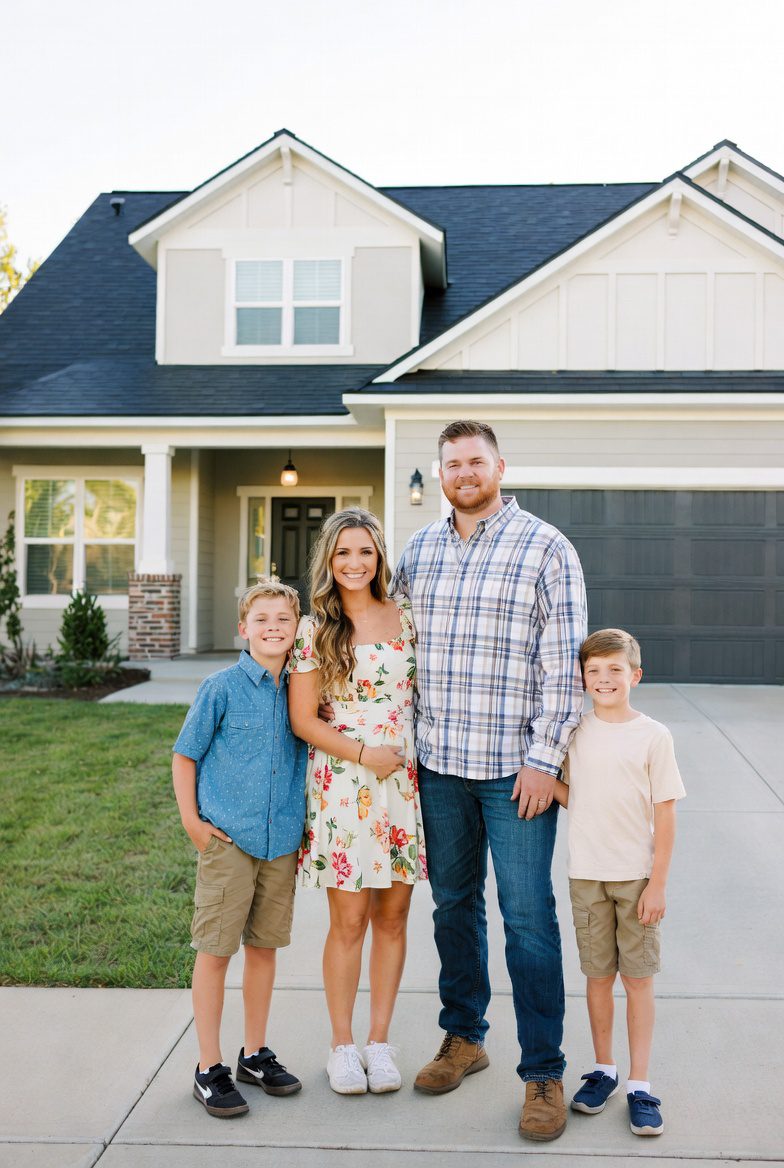
“Spec home” is short for “speculative home.” A builder starts construction without a specific buyer, choosing a popular floor plan, finishes, and a homesite based on what typically sells well. The result is a new home that is complete or near-complete when you find it. If you want the benefits of new construction without a long build timeline, a spec can be a smart path.
How a spec home differs from custom and to-be-built
A custom home starts with a blank sheet. You select the plan, the lot, and most finishes before the first shovel of dirt. A to-be-built home is semi-custom: you pick from a builder’s plan library and make choices along the way. A spec compresses that process. The builder has already selected the lot, plan, and many finishes, sometimes with a few items still open if you purchase before final completion. Because decisions are made up front, construction tends to move faster and scheduling is more predictable.
Why builders create spec homes
Specs help match real buyers to real homes in a reasonable timeframe. Builders choose proven layouts, neutral color palettes, and widely requested features so the home fits a broad audience. That reduces decision bottlenecks and allows steady progress on site. For shoppers, it means you can tour a nearly finished product and judge room sizes, light, and flow without imagining from a plan.
Advantages of buying a spec
- Time savings. Completion dates are set, which is helpful if you are coordinating a lease end or a relocation.
- Cost clarity. With selections and structural options locked, the final price is clear earlier.
- Less decision fatigue. The core choices are made, so you focus on furniture placement and move-in planning.
- See before you buy. You can walk the exact home rather than a representation.
If timing is your primary driver, start with current quick move-in homes to see what is available now and what is nearing completion.
Possible tradeoffs to consider
- Limited customization. Many selections are set. Ask what, if anything, can still be adjusted.
- Lot and orientation fixed. The home sits on the chosen site, so confirm sun, yard size, and privacy work for your routines.
- Competitive interest. Popular specs in strong locations can move quickly; have pre-approval ready.
These are not dealbreakers for most buyers, but they are useful guardrails for decision making.
What can still be personalized
If you contract before certain phases, you may influence items such as hardware, a lighting package, or appliance upgrades. Structural elements like the staircase position or garage size are typically locked. For future flexibility, many specs include basements prepped for a later finish. If you prefer to see all plan options first, compare layouts in the home plans catalog, then target specs built from the plans you like most.
How the build process applies to a spec
Even with a spec, the path to closing follows a structured sequence: contract, remaining selections if applicable, pre-close walkthroughs, and orientation. Reviewing the broader building process gives a clear picture of the milestones you will experience and who communicates at each step. The difference is pace. Since framing, rough-ins, and many finishes are in motion, your schedule compresses into the final stages.
Financing and timing basics
Specs pair well with buyers who value certainty. Ask for an estimated completion date, any contingencies that could affect it, and how the builder coordinates with your lender on appraisal and closing. If you are selling a current home, confirm how flexible the closing window can be so you can avoid temporary housing. A pre-approval letter makes it easier to reserve a home that is attracting attention.
How to evaluate a spec during a tour
Walk the path you will use most: garage to drop zone to kitchen. Stand where you will spend time and check sightlines to living areas and the backyard. Note storage that removes clutter from daily routines, like a pantry near the kitchen and linen space close to bedrooms. Visit at a different time of day to test light and street noise. For the quickest comparison across neighborhoods, tour nearby model homes built from the same or similar plans.
Warranty and service after move-in
New-home ownership always brings questions. Confirm how to submit warranty requests and what the typical response time looks like. Ask about scheduled check-ins and which items are most commonly handled in the first year. Local, reachable support can matter more than an exhaustive list of promises, especially in the early weeks of living in a new space.
When a spec home makes the most sense
- Your move date is firm or you prefer to avoid an extended build.
- You like a plan already in production and the lot orientation works for your routines.
- You value price clarity and the ability to walk the exact home before committing.
- You plan to add personality with furnishings and small projects after closing.
If your needs are highly specific or you want to control more of the selections, a to-be-built route may fit better. You can still learn from touring specs, since they reveal how a plan lives at full scale.
A simple decision checklist
Bring this list to any spec you tour:
- Completion date and what remains before closing
- Sun exposure and privacy in the main living areas
- Storage and circulation that match daily habits
- Items still open for personalization
- Warranty process and example first-year fixes
- Commute and school routes relative to the address
- How the price compares to similar to-be-built options in nearby communities
A Spec Home in Omaha Could be Right for You
A spec home offers a practical balance of new construction and near-term certainty. It trades deep customization for speed, clarity, and the assurance of walking the exact home you will buy. With a short checklist and a clear view of process, you can decide quickly whether a specific home fits the way you live today and how you plan to live tomorrow.