Living in Bellevue, Nebraska: What Families Should Know Before Building
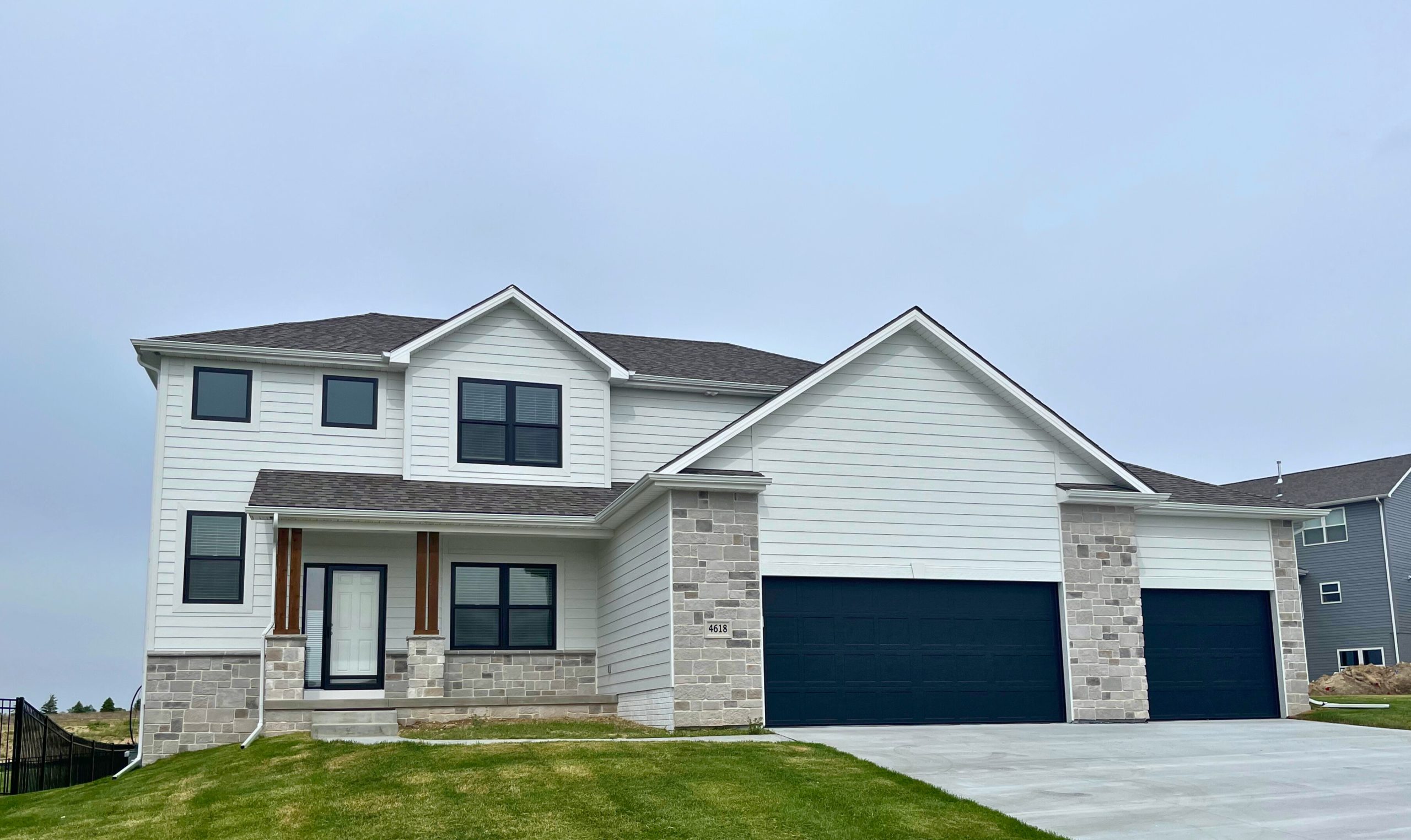
Bellevue often flies under the radar when Omaha-area families start talking about where to build. Elkhorn and Gretna get most of the buzz. But Bellevue has been quietly holding its own for decades, and for certain families, it checks boxes that those western suburbs simply don’t.
If you’re weighing Bellevue as a place to put down roots and build a new home, here’s what actually matters once the excitement of picking a floor plan wears off and real life kicks in.
Schools: Two Districts, One Decision
One of the first things families need to know is that Bellevue is not a single-school-district city. Most of Bellevue falls under Bellevue Public Schools, which serves around 10,000 students across 15 elementary schools, three middle schools, and two high schools. The district holds accreditation through Cognia, a national accrediting body, and has earned recognition for its support of military-connected students, which makes sense given its proximity to Offutt Air Force Base.
However, certain neighborhoods on the western and southern edges of Bellevue actually fall within the Papillion-La Vista Community Schools district, which serves over 12,000 students and is consistently rated among the strongest districts in the metro. If schools are a priority (and for most families building a home, they are), verify the district boundaries for any specific lot before you get attached to a plan. The line between districts isn’t always where you’d expect it to be.
Commute and Location: Closer Than You Think
One of Bellevue’s practical advantages is proximity. Downtown Omaha is roughly 15 to 20 minutes north via Kennedy Freeway (US-75), and Highway 370 connects you west to Papillion, I-80, and the broader metro. For families with one spouse working downtown and another near Offutt or in Sarpy County, Bellevue sits in a natural sweet spot.
It’s also worth noting that Bellevue tends to avoid the worst of Omaha’s rush-hour congestion. The commute corridors heading south don’t carry the same volume as the Dodge Street and West Omaha routes, which means your drive home is usually more predictable.
Outdoor Space That Families Actually Use
Bellevue’s outdoor offerings are genuinely strong and go well beyond the typical suburban park with a swing set. Here are a few highlights families consistently mention:
- Fontenelle Forest is a 2,000-acre nature preserve with miles of hiking trails, boardwalks, a raptor recovery center, and programming geared toward kids. It’s one of the best nature education resources in the metro.
- Haworth Park sits along the Missouri River and offers camping, picnic areas, and direct river access. It’s a favorite for weekend family outings.
- Walnut Creek Recreation Area, located nearby in Papillion, features a 450-acre park with a lake, a paved 3.1-mile trail loop, playgrounds, and an off-leash dog park.
- The Papio Trail system connects through Bellevue and links into the broader metro trail network, making it easy to bike or walk between neighborhoods and parks.
For families who want outdoor time to be a regular part of life rather than a weekend event, Bellevue delivers.
Housing Value and Property Taxes
Bellevue has historically offered more attainable price points than many of the western Omaha suburbs. Property taxes tend to be lower as well. A $300,000 home in Bellevue might carry an annual tax bill closer to $7,000, compared to $9,000 or more for a similarly priced home in Papillion or Elkhorn. That gap adds up over the life of a mortgage.
For families building new construction, understanding the full tax picture, including any SID (Sanitary Improvement District) obligations, is important. If you’re unfamiliar with how SIDs work in the Omaha area, this breakdown of how SIDs affect new home buyers is a good starting point.
Military Families and Offutt Air Force Base
It would be impossible to talk about Bellevue without mentioning Offutt. The base is one of the largest employers in Nebraska, and a significant portion of Bellevue’s population is either active military, retired military, or civilian employees connected to the base. That military presence shapes the community in positive ways: there’s a built-in culture of welcoming newcomers, schools are experienced with mid-year enrollments, and neighborhoods are used to turnover without losing their sense of stability.
For military families specifically, building a new home near Offutt can make sense financially if you plan to stay for multiple assignments or transition into civilian life locally. The combination of lower housing costs, base proximity, and strong community support is hard to replicate elsewhere in the metro.
Is Bellevue the Right Fit?
Bellevue isn’t for everyone. If you want brand-new retail and restaurant development on every corner, the western suburbs might feel more your speed. But if you value a shorter commute, lower taxes, genuine outdoor access, and a community that doesn’t need to sell itself because it already works, Bellevue is worth serious consideration.
The best way to get a feel for it is to visit. Walk through Charleston Homes’ Falcon Pointe community near 52nd and Capehart, spend an afternoon at Fontenelle Forest, and drive the neighborhoods. The difference between reading about a place and standing in it is usually the thing that makes the decision clear.