New Home Maintenance Checklist: Your First Year in an Omaha Build
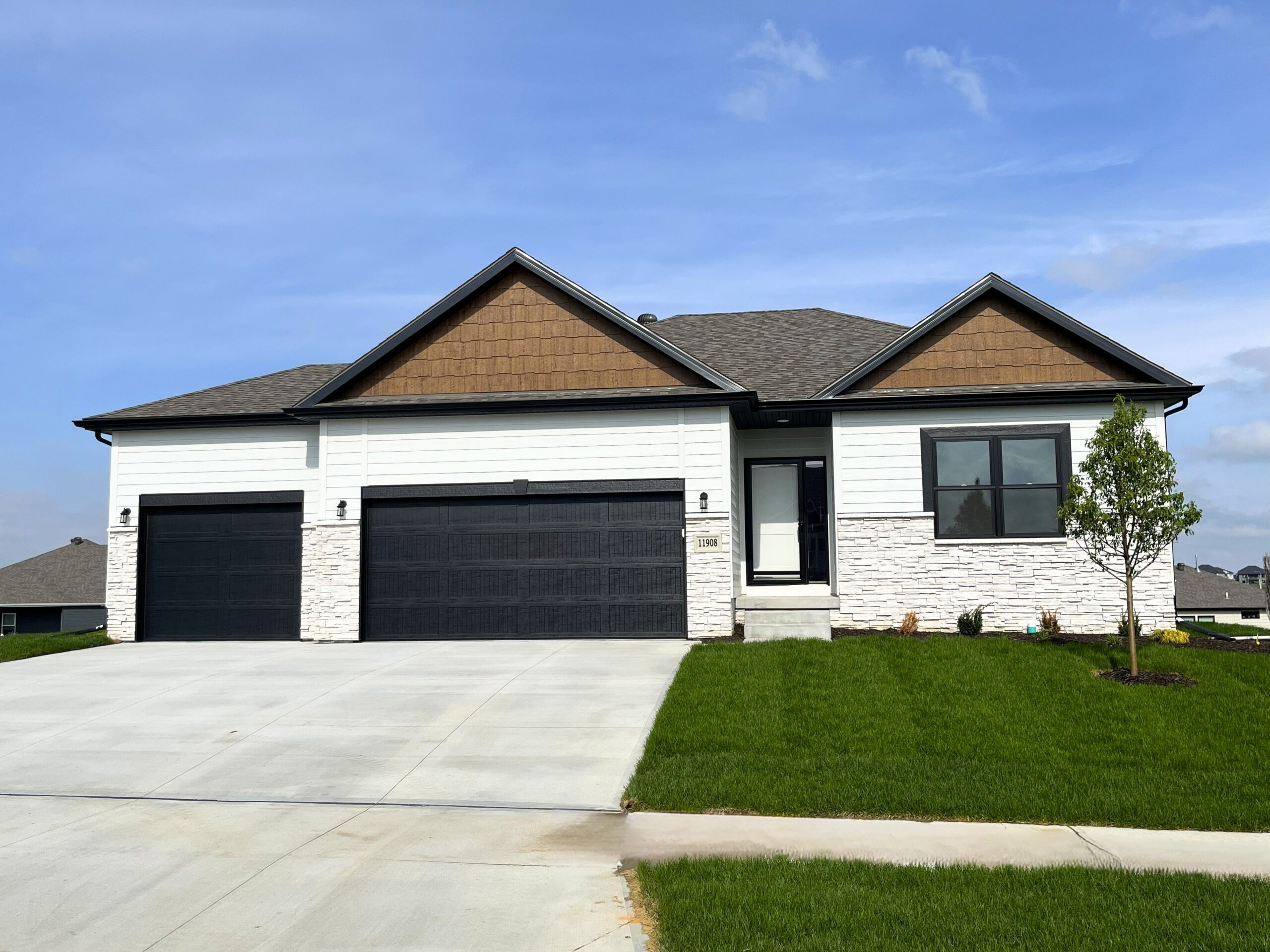
Moving into a brand-new home feels different from moving into an existing one. Everything is fresh, clean, and untouched, so it is easy to assume that maintenance can wait. In reality, the first twelve months are some of the most important for understanding how your home behaves, establishing good habits, and making sure nothing slips through the cracks before your builder warranty expires.
Here is a practical, season-by-season guide to your first year in a new Omaha build, including what to watch for, what to do yourself, and when to call your warranty department.
What New Construction Homes Do in the First Year
Before getting into the checklist, it helps to understand what is actually happening to your home in the early months. New construction goes through a process called settling as the structure adjusts to its environment. The soil beneath compresses, wood framing loses moisture as it acclimates to indoor humidity, and concrete expands and contracts with seasonal temperature changes.
This means you will likely notice small hairline cracks in drywall, especially above doorways or where walls meet ceilings. Nail pops may appear as wood dries. Doors that fit perfectly in August might stick a little in January. None of these are causes for alarm on their own. They are normal, expected responses to seasonal shifts, and most builder warranties cover workmanship and materials for the first year specifically because of this settling period.
If you want a deeper look at what a new home warranty actually covers and what it does not, our guide to what warranties to expect when building a new home is a good place to start. What you do want to flag promptly are larger cracks in the foundation or basement walls, floors that feel uneven, or doors that no longer close on a frame that appears to have shifted. Those are worth a call to your warranty manager sooner rather than later.
Spring: Get Your Systems Ready for the Warm Season
Nebraska springs can arrive quickly and come with serious storms. Use the warmer weather as a trigger to run through the exterior and get your HVAC ready to switch from heating to cooling.
- Schedule an HVAC tune-up and replace the air filter. Your system worked hard all winter, and a clean filter going into cooling season improves efficiency and extends system life.
- Check gutters and downspouts. Spring runoff is heavy in Omaha. Make sure gutters are clear and downspouts are directing water away from the foundation, not pooling next to it.
- Walk the exterior and inspect your grading. The soil around a new build can settle over winter. You want the ground sloping away from your foundation, not toward it.
- Test your sump pump if you have one. Spring is peak season for water table elevation in Nebraska, and the last thing you want is a pump that has not been tested since move-in.
- Inspect window and door seals for any gaps that opened up as the home settled through its first winter cycle.
Summer: Stay on Top of Monthly Tasks
Summer in Omaha puts your cooling system to work and is the best season for outdoor maintenance while the weather cooperates. A few habits make a real difference during these months.
Change your HVAC air filter every 30 to 60 days during high-use months. This is the single most impactful thing you can do for your system’s efficiency and longevity, and it takes about five minutes. Clean the dryer vent exhaust, which tends to accumulate lint faster in humid summer months. Keep an eye on your landscaping, making sure tree roots, sprinkler heads, or mulch beds are not directing water toward the house.
Summer is also a good time to take stock of any drywall cracks or nail pops that appeared after the first heating season. Note their locations with a pen mark or a piece of tape so you can track whether they are growing, and report any that concern you to your builder before the season is out.
Fall: Your Most Important Maintenance Window of the Year
Fall is the most consequential season for home maintenance in the Midwest. You are transitioning from cooling to heating, preparing for ice and snow, and ideally taking care of anything on the exterior before the ground freezes. Work through this list before the first hard frost hits.
- Have your furnace serviced and inspected by a qualified HVAC technician. Do not skip this. A furnace that has not been tuned up heading into a Nebraska winter is an unnecessary risk for both comfort and safety.
- Clean gutters thoroughly after the leaves drop. Blocked gutters are a leading cause of ice dams, which can damage roofing and allow water to work into the home.
- Shut off and drain outdoor hose bibs to prevent frozen pipes.
- Check weatherstripping around doors and windows and replace anything that is no longer sealing properly.
- Test smoke and carbon monoxide detectors and replace batteries as needed.
Winter: Monitor, Document, and Prepare for Your 11-Month Inspection
Winter in your new home is largely about monitoring and staying ahead of cold-weather risks. Keep an eye out for ice dams forming on the roofline, which happen when heat escapes through the roof and melts snow that refreezes at the eaves. Check for drafts around windows and doors on cold days. Keep cabinet doors under sinks open during extreme cold snaps to allow warm air to reach pipes.
If you built with Charleston homes, one of the most valuable things we offer is our warranty appointment that we set for 60 days and 11 months so we can make sure your home is still in tip-top shape.Most builder warranties cover workmanship and materials for the first year, and our warranty appointment gives you the chance to identify anything that warrants a claim while you still have coverage. If you want a full breakdown of how the new home building process works from start to finish, including what the post-closing support looks like, that resource covers it in detail. Document every issue with photos, note the dates, and submit any concerns to your builder in writing before the 11-month appointment.
Staying Ahead of Maintenance Is How You Protect Your Investment
The first year in a new home is genuinely different from subsequent years. Your home is still adjusting, and so are you. A little attention each season, especially in fall before the Omaha winter hits, goes a long way toward keeping everything running smoothly and making sure your warranty is working for you.
Charleston Homes backs every build with an in-house warranty department and a dedicated warranty manager, so if something comes up in that first year, you are not calling a generic service line. You are reaching someone who knows your home. If you have questions about what the post-build experience looks like, our team is happy to walk through it at any of our model homes in Elkhorn, Gretna, or Papillion.