What is a “Ranch Style House” and Is It Right For Your Family?
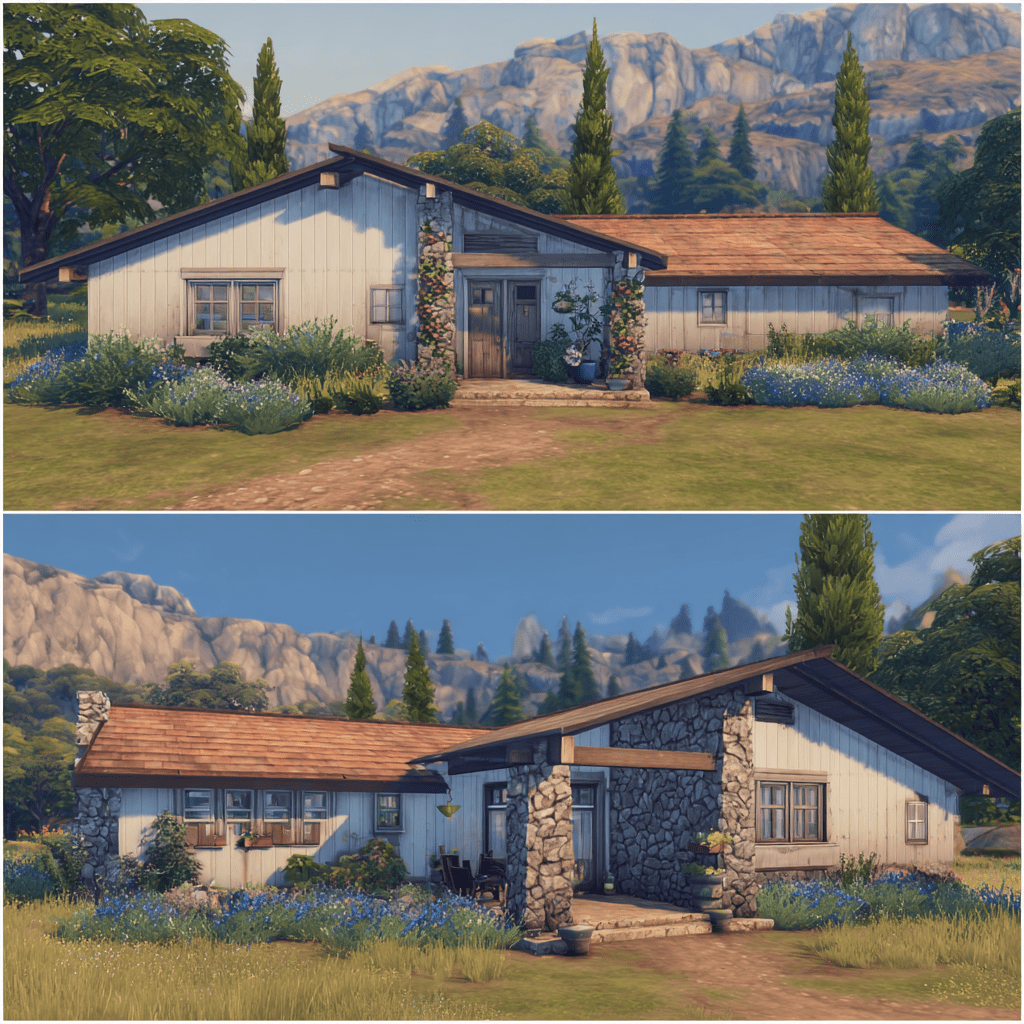
A ranch style house is a home where most or all living space sits on a single level. It became popular because it makes everyday life simple: fewer stairs, a straightforward layout, and rooms that connect easily. Today’s ranch homes often keep that same ease while adding modern features like open-concept living, larger kitchens, and basements designed for future flexibility.
For Omaha-area families comparing new construction options, ranch plans can be a practical choice, but they are not automatically the best fit. The right answer depends on routines, budget priorities, and how a household expects to use space over time.
What makes a home “ranch style”?
A classic ranch home has a long, low profile and a floor plan that spreads out rather than stacking rooms on multiple stories. In new construction, that usually looks like:
- Main-level living areas and bedrooms (or at least a main-level primary suite)
- An open great room or connected kitchen and dining space
- Wide hallways and easy flow between rooms
- A garage that connects conveniently to the kitchen or drop zone
In Omaha, many ranch builds also include basements, which changes the equation. A ranch can live like a single-level home day to day while still offering a second level of usable space later.
Why ranch homes are so appealing for families
Ranch homes tend to win people over because they remove friction from the daily routine.
Easier movement and accessibility: With fewer stairs, everything from toddlers to grandparents can move around more comfortably. That can matter for strollers, laundry, injuries, and long-term living plans.
Convenient family flow: When bedrooms and living areas share one level, it’s easier to keep an eye on what’s happening without feeling like the house is split in half.
Flexible basement potential: Many households use the main level for daily life and treat the basement as bonus space later, such as a rec room, guest area, home gym, or office.
Ranch layouts can also feel calmer. There’s a simplicity to the footprint that many people prefer, especially for entertaining or busy weeknights.
The tradeoffs that matter
Ranch homes come with real considerations, and those are worth weighing honestly.
Lot needs: Because the home spreads out, ranch plans often require a wider or deeper lot than a comparable two-story. That can affect which neighborhoods have availability and how much yard space remains.
Privacy patterns: With more rooms on one level, bedroom windows may face neighboring homes more directly depending on lot orientation. Block placement and elevation choices matter.
Cost dynamics: A ranch can sometimes cost more per square foot than a two-story because the foundation and roof cover more area. That is not always the case, but it’s common enough to keep in mind.
Noise separation: Two-stories naturally separate quiet bedrooms upstairs from active living spaces downstairs. Ranch homes can still do this well with smart layout, but it takes intentional design.
Ranch vs. two-story in real life
Ranch homes often suit families who want predictable routines and easy daily movement. Two-stories often suit households that want more separation between sleeping and gathering areas, or who want more square footage on a smaller footprint.
A practical way to compare is to look at how the home will be used on an average weekday. If most activity stays on the main level anyway, a ranch can feel efficient. If the household prefers bedrooms tucked away from noise, a two-story may feel cleaner.
Charleston’s plan library makes that comparison straightforward by viewing ranch and two-story options side by side in their home plans collection.
Basement planning changes the decision
In Omaha, basements are a major part of value and flexibility. A ranch with a full basement can deliver the best of both worlds: single-level living now, expandable space later.
When evaluating a ranch, it helps to ask what the basement is set up to become. Mechanical placement, bathroom rough-ins, and egress options can affect how comfortably the space can be finished down the road.
Quick checklist to decide if a ranch fits a family
A ranch style house is often a strong match when:
- Long-term accessibility matters, even if it’s not urgent today
- Most daily life happens on one level
- A household prefers open living and quick room-to-room flow
- A basement can serve as future bonus space
- The preferred neighborhood has lots that suit the footprint
If lot availability or budget favors a smaller footprint, a two-story may deliver more space without stretching the site.
How to evaluate a ranch during a model tour
The fastest way to understand a ranch is to walk it like a real day. Enter from the garage, find where shoes and bags would land, then trace the path to the kitchen and living space. Check bedroom placement relative to the main gathering areas. Note how light enters the great room and whether the backyard feels private.
Touring model homes helps clarify whether a ranch layout feels streamlined or spread out, and it makes room proportions easier to judge than a floor plan alone.
Ranch Style Homes Explained
A ranch style house is a single-level-first layout built around ease, flow, and long-term comfort. It can be an excellent fit for families who value accessible living and a practical daily routine, especially when paired with a basement that adds flexibility over time. The decision becomes clearest when comparing layout flow, lot fit, and how much separation the household wants between quiet and active zones, then matching those priorities to what’s available in Omaha-area communities.