What Omaha’s Growth Means for New Home Values in 2026 and Beyond
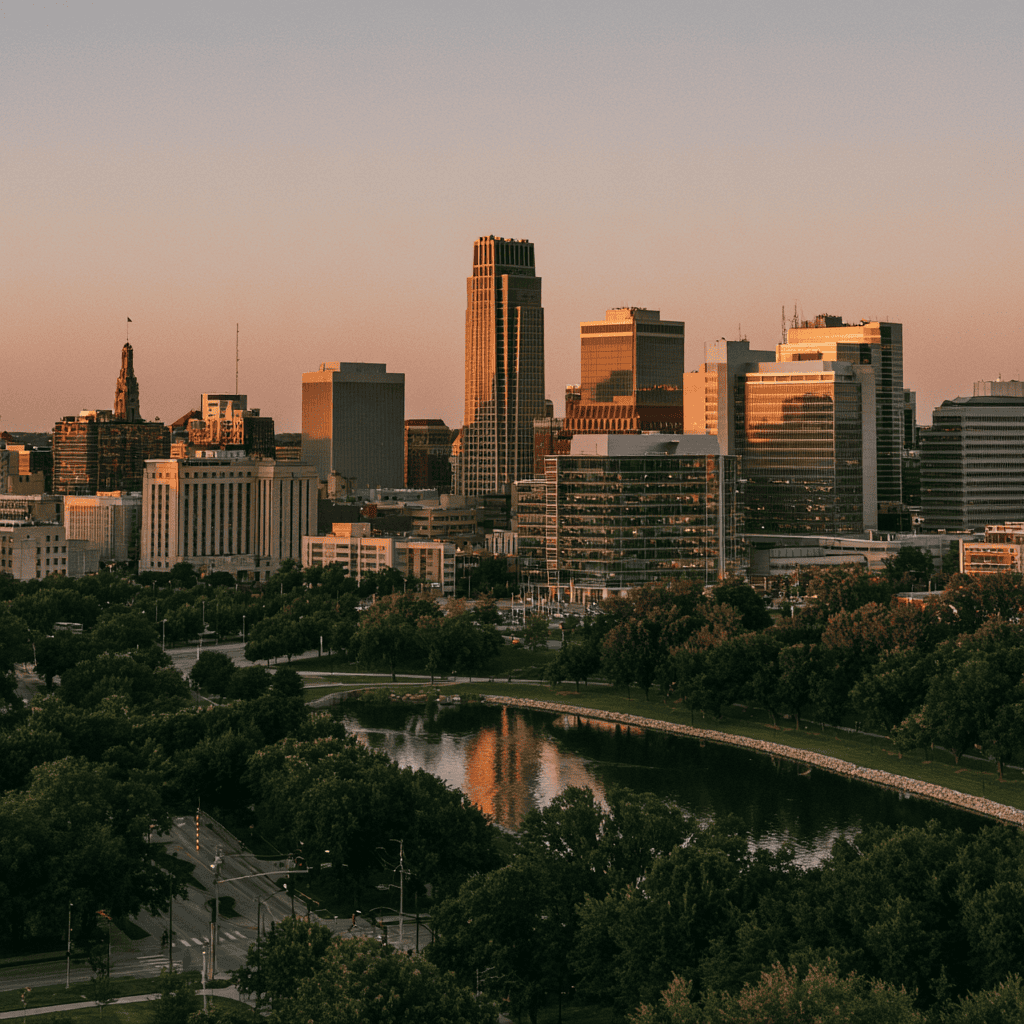
Omaha just crossed a milestone that quietly reshapes the housing math for the next decade. As of mid-2025, the eight-county Omaha metropolitan area passed 1,009,836 residents, up from just over a million the previous year, with the metro growing at roughly 1 percent annually.
That pace might not sound dramatic compared to Sun Belt boomtowns, but for new home values in Omaha, slow and steady growth tends to be more bankable than a boom-and-bust cycle. Here is what the current trajectory actually means for buyers thinking about building in 2026 and beyond.
How Omaha’s Population Growth Shapes New Home Demand
Population growth is the single biggest driver of housing demand. More households means more competition for finite inventory, which tends to support prices. Omaha is adding roughly 10,000 net new residents per year, and forecasting models project the metro will reach approximately 1.26 million residents by 2031, a 3 percent climb over five years. By 2036, that figure could touch 1.3 million.
A few factors anchor that growth:
- Major employers including Berkshire Hathaway, Union Pacific, Mutual of Omaha, and Offutt Air Force Base
- A diversified economy that does not lean on a single industry
- Lower cost of living than national averages, which keeps Omaha competitive for relocation
- Steady migration from higher-cost metros, particularly from coastal cities
For new construction specifically, this matters because demand growth has to be absorbed somewhere. With existing inventory tight, much of that demand pushes toward new builds in the metro’s growth corridors.
What Tight Inventory Means for Omaha New Home Values
As of January 2026, the Omaha market carried just 1.8 months of housing supply, with homes selling at roughly 98 percent of asking price and a median sale price up about 5.8 percent year-over-year. Anything under six months of supply is generally considered a seller’s market, and Omaha has been operating well below that threshold for an extended stretch.
The practical implication: buyers who delay are not waiting out a softening market, they are typically watching prices climb. Recent forecasts from market analysts point to 2 to 4 percent home price growth across Omaha in 2026, with stronger appreciation expected in the higher-demand suburbs.
That said, this is not a guaranteed forecast. Mortgage rate movement, broader economic conditions, and Federal Reserve policy can all shift the picture. The current consensus is that Omaha will continue to appreciate, just at a more measured pace than during the 2020 to 2022 boom.
Where Omaha New Home Values Are Likely to Hold Best
Not every part of the metro will appreciate equally. The suburbs leading the growth charts and likely to continue doing so are the ones with measurable infrastructure and population momentum behind them:
- Gretna, which has grown over 200 percent since 2000 and just secured approval for a $3.2 billion expansion of Nebraska Crossing
- Elkhorn, which absorbed into the City of Omaha but retained strong school district performance and consistent demand west of 192nd Street
- Papillion, which has held a top spot on Nebraska’s best-places-to-live rankings for years and benefits from Sarpy County’s broader growth trajectory
Charleston Homes builds in all three: Arbor View in Elkhorn, Highland Pointe in Gretna, and Falcon Pointe in Papillion. Building in a community with strong growth fundamentals is one of the cleaner ways to position a new home for long-term value retention, since the underlying demand keeps pulling the entire market upward.
How Builder Choice Affects Long-Term New Home Values in Omaha
A growing market lifts most boats, but not all of them lift equally. The builder behind a home affects how it ages and how it shows at resale. Things that tend to matter five and ten years out:
- Construction quality and consistency of subcontractor crews
- Warranty handling during the first year
- Floor plan choices that hold up as buyer preferences shift
- Energy efficiency and modern code compliance
Charleston Homes has been building in the Omaha metro since 2007, ranks among the top three Omaha builders by volume, and runs warranty support in-house with structured 60-day and 11-month walkthroughs. Those operational details are not visible during a model tour, but they show up in the condition of the home a decade later, which is what determines its resale strength.
What Omaha’s Growth Means for Building New in 2026 and Beyond
The honest read on Omaha’s trajectory is that the fundamentals supporting new home values are solid but not euphoric. Population growth is steady, employers are stable, inventory remains tight, and the suburbs absorbing most of the new construction have measurable infrastructure investment behind them. For buyers building in 2026, the picture is favorable for long-term value, especially in the metro’s growth-corridor communities and especially with a builder whose homes already have a track record in those neighborhoods. The buyers who tend to do best in markets like Omaha’s are the ones who choose lots and builders thoughtfully, then plan to stay long enough for the metro’s slow, durable growth to do its work.