What Sets Semi-Custom Home Builders Apart From Production Builders
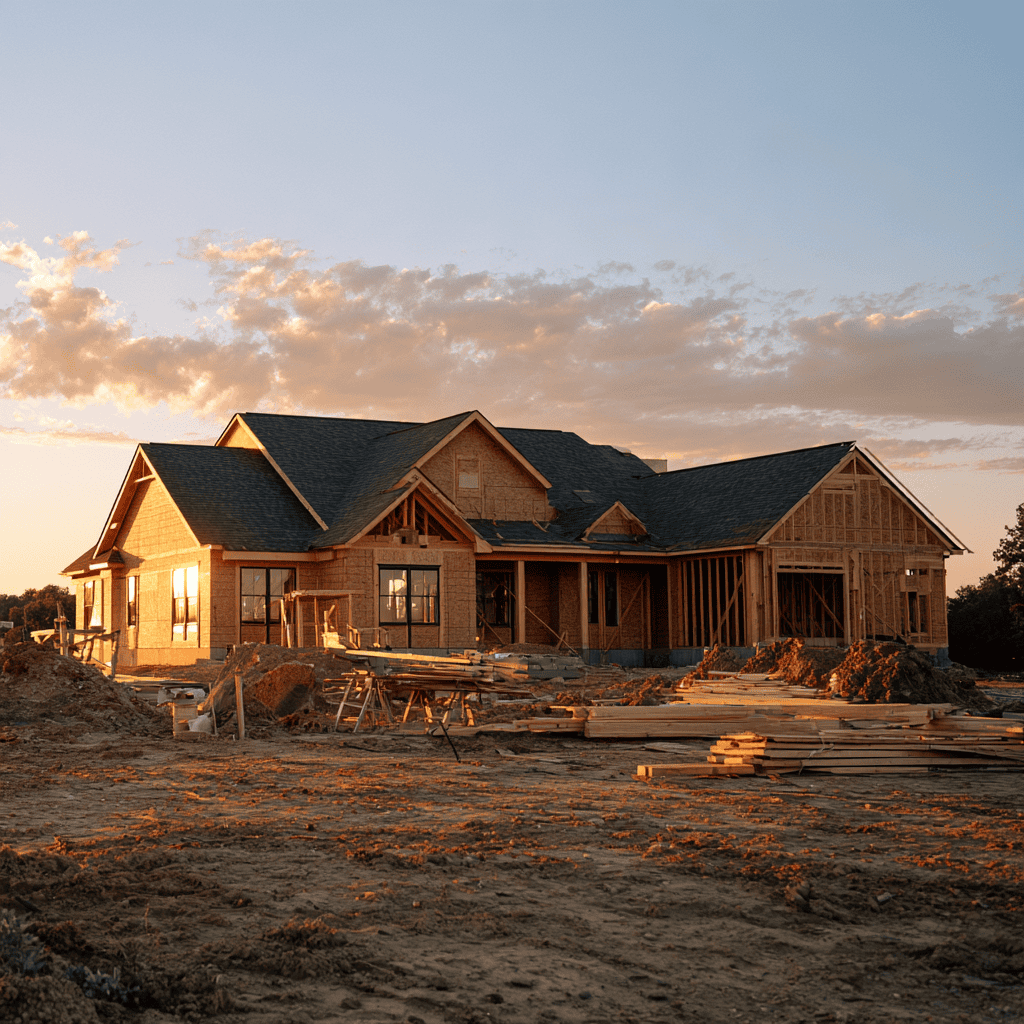
For buyers new to the home-building process, the terminology gets confusing fast. Custom, semi-custom, production, spec — these words get thrown around interchangeably, but they describe genuinely different business models with different implications for cost, personalization, quality, and how your build actually unfolds. The two categories most buyers weigh in the Omaha metro are semi-custom and production, since they cover the middle range of the market where most new home construction happens. Here is what actually sets semi-custom home builders apart from production builders, and why the distinction matters.
How Semi-Custom Home Builders Differ From Production Builders on Personalization
The most important difference between the two is how much you actually get to shape the home. Production builders, which include most of the large national volume builders you see advertised nationally, work from tightly standardized floor plans with limited modification options. You typically choose a plan, pick a lot, and select finishes from a preset menu (usually two or three cabinet options, a handful of countertop colors, and standardized flooring choices).
Semi-custom builders start with a portfolio of proven floor plans but offer meaningful personalization within that framework. That can mean bumping out a breakfast nook, adding a third garage bay, upgrading cabinet grades, moving an interior wall, or configuring optional spaces like a study or bonus room. Charleston Homes, for example, offers eleven base home plans with structured personalization options walked through in their in-house Design Studio.
The trade-off is straightforward: production offers speed and predictability; semi-custom offers depth of personalization within a still-efficient process.
How Semi-Custom and Production Builders Compare on Local vs. National Scale
Production builders are typically national or regional operations building thousands of homes per year across multiple markets. That scale drives cost efficiencies but also means your specific superintendent is often rotating in from another market and your build is one of many happening simultaneously.
Semi-custom builders are usually mid-sized, region-specific operations with deep roots in a single metro. They know the local soil conditions, weather patterns, school district lines, and municipal permitting quirks in ways a national builder rotating superintendents cannot. According to guidance from the National Association of Home Builders, builders with long-standing local presence tend to deliver more predictable outcomes on regional-specific factors like drainage and foundation work.
Charleston Homes has been building exclusively in the Omaha metro since 2007 and ranks among the top three Omaha builders by volume, which is roughly the sweet spot where a semi-custom builder is large enough to have process discipline but small enough to know each home individually.
The Difference in Contractor Relationships Between Semi-Custom and Production Builders
This one is less visible during the sales process and more visible five years after move-in. Production builders often rely on rotating subcontractor crews pulled from wherever labor is available in a given quarter. That can affect workmanship consistency, particularly on framing, drywall, and trim work.
Semi-custom builders typically work with a stable roster of local trade partners who have been building with them for years. The same electricians, plumbers, and finish carpenters return to job after job. That continuity tends to show up in the quality of the finished home and in how issues get handled during the warranty period.
How Semi-Custom Home Builders Approach Warranty Differently Than Production Builders
Warranty handling is one of the clearer separators between the two categories. Production builders typically offer structured warranty programs, often the standard 2-10 (one year on materials and workmanship, two years on systems, ten years on structural), administered through corporate warranty departments or third-party administrators.
Semi-custom builders often handle warranty in-house with dedicated warranty managers and structured post-move-in walkthroughs. Charleston Homes, for example, runs warranty in-house with formal 60-day and 11-month walkthroughs, and warranty work is performed by the same contractors who built the home. That approach tends to produce faster response times and more accountable repairs than corporate administration.
Which Type of Builder Is Right for You: Semi-Custom or Production?
Both models fit real buyers. Production tends to suit households that prioritize:
- The lowest possible entry price
- The fastest possible timeline to closing
- A largely predetermined home with minimal decision-making
- Willingness to trade personalization for standardization
Semi-custom tends to suit households that prioritize:
- Meaningful personalization within a proven framework
- Established local builder relationships and warranty accountability
- Higher-quality finish selections
- A layout tailored to how the specific household actually lives
For Omaha buyers specifically, our Top Benefits of Working With Semi-Custom Home Builders in Omaha covers the local-market considerations in more detail.
Deciding Between Semi-Custom Home Builders and Production Builders
The honest answer to “which is better” depends entirely on what you value most in the build process. Production builders deliver a legitimate product at a lower entry price with faster timelines, and for households comfortable with standardization, they can be the right fit. Semi-custom builders deliver meaningful personalization, local accountability, and typically higher finish quality, at a modest price premium over production. Walking through model homes from both categories in the same weekend tends to make the difference tangible in ways that specification sheets cannot capture, and most buyers find the choice becomes obvious once they see the two side by side.