Why Now Is the Perfect Time to Build a Home in Omaha
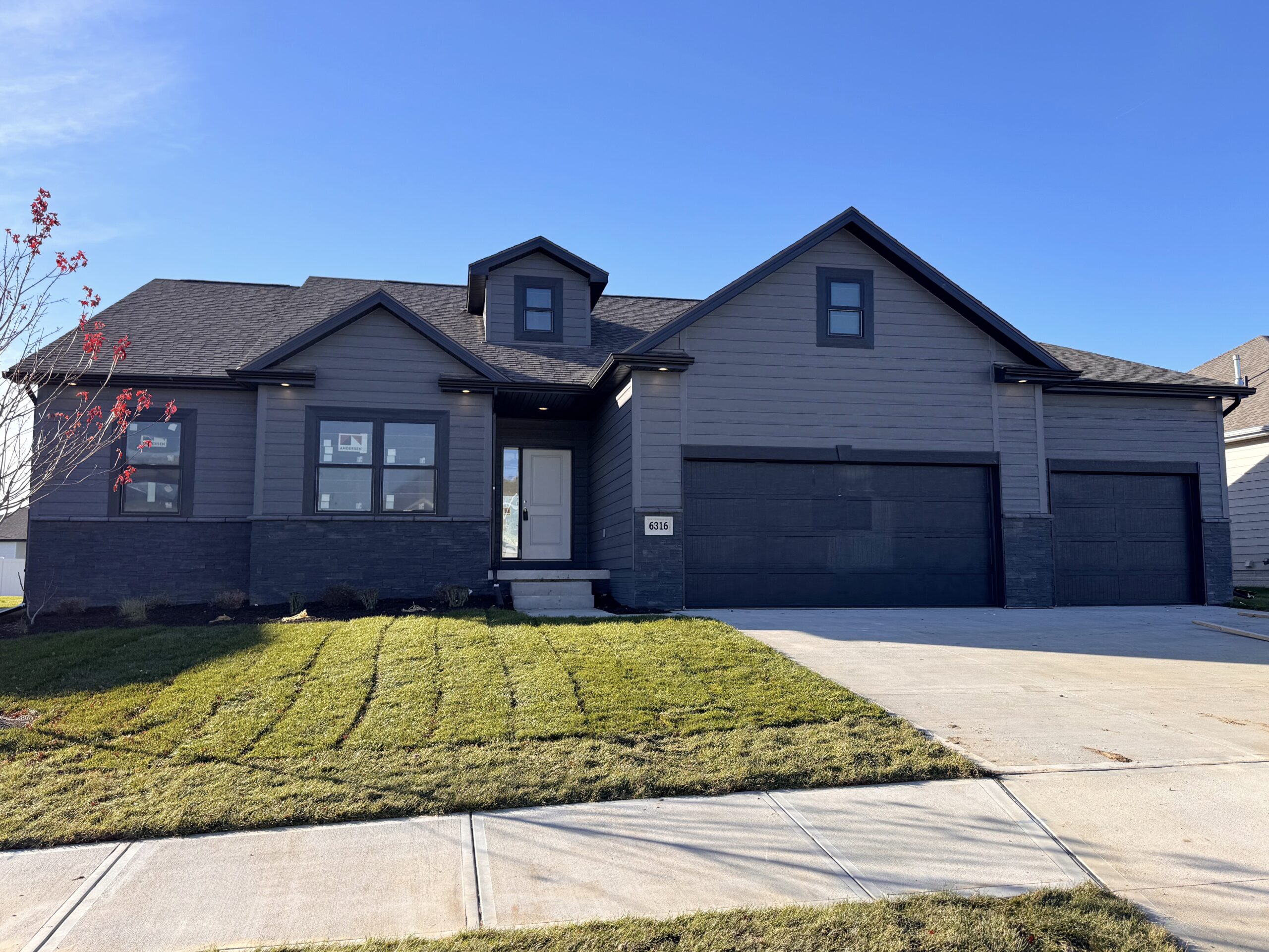
Timing matters when planning a new home. In Omaha, several trends are aligning in ways that reduce uncertainty and improve long-term value. The goal here is to surface the practical signals, not to sell. Taken together, these factors explain why many households are choosing to start a build now and lock in a plan that fits daily life in the metro.
Mortgage conditions are easing from last year’s highs
Financing sets the tone for the entire decision. After a choppy 2024, average 30-year fixed rates have been drifting lower in recent weeks, according to the weekly Primary Mortgage Market Survey from Freddie Mac. A small move in rates can translate into a meaningful monthly payment change, especially when paired with lender incentives or rate-lock programs. It is worth running scenarios with a preferred local lender to see how a modest rate improvement or a temporary buydown affects affordability.
Supply in the Omaha metro is gradually normalizing
A more balanced market helps buyers make deliberate choices. Recent local updates point to improving inventory and steadier pricing patterns across Douglas and Sarpy Counties, which supports thoughtful plan selection and lot choice rather than rushed bidding. Monitoring neighborhood-level data remains important since conditions can vary by school district and price band.
Building solves the “right house, wrong layout” problem
Even when resale listings appear, they may not match how a family lives. Semi-custom plans let buyers allocate square footage to what matters most: a kitchen that functions day to day, a main-floor flex room, or a larger mudroom and pantry. Charleston Homes’ home plan catalog shows ranch and two-story options with practical storage, efficient traffic flow, and thoughtful garage access. Touring current model home locations can clarify scale, sightlines, and furniture fit before making selections.
New construction can lower operating costs
Energy performance is a quiet lever on long-term budgets. Modern framing practices, insulation packages, windows, and HVAC systems help stabilize utility bills and comfort. When comparing a new build to an older resale, factor projected monthly utilities alongside the mortgage payment. Charleston Homes outlines standards and options in its A-to-Z build overview, which is useful for separating must-haves from upgrades.
Omaha’s fundamentals support staying power
Households are looking for stability as much as square footage. The metro recently crossed one million residents, with growth driven by both natural increase and international arrivals, a sign of steady regional demand over time. Day-to-day costs remain comparatively manageable relative to larger metros, which helps new-build budgets pencil out when considered over a multi-year horizon. For a quick snapshot, see recent reporting on population trends in the Omaha metro and current cost-of-living comparisons.
Construction timelines are more predictable than during peak bottlenecks
Materials and labor availability have improved from the most constrained periods, which helps builders set firmer expectations on milestones. A clear process reduces friction during selections and walkthroughs. Charleston Homes publishes its checkpoints, including design meetings and site updates, in the build process guide. Having a roadmap makes it easier to plan moves, lock financing, and coordinate life around construction.
Warranty and service bring peace of mind
Post-closing follow-through matters as much as the final punch list. An in-house program with scheduled check-ins helps new owners resolve small items before they become headaches. Charleston Homes describes its approach and customer portal access on the warranty page, including typical 60-day and 11-month visits to fine-tune the home.
A practical way to decide
A helpful framework is to list priorities by everyday impact, then map those to a plan and lot that naturally support them. If mortgage math is the swing factor, ask a lender to price different rate scenarios against a specific plan. If layout is the sticking point, walk model kitchens, pantries, and mudrooms to compare how they handle traffic and storage. When timing matters, consider quick-move options on the Homes Ready Now page, then weigh those against a ground-up build.
Building a New home in Omaha
Easing rate pressure, steadier local supply, and the ability to tailor space to how families in Omaha actually live make a strong case for building now. The combination of predictable timelines, energy savings, and post-close support adds durability to that decision. With clear information, a structured process, and a plan that fits routines, households can move forward at their own pace and feel confident about the choice.