Finding the Right Lot For Sale in Omaha
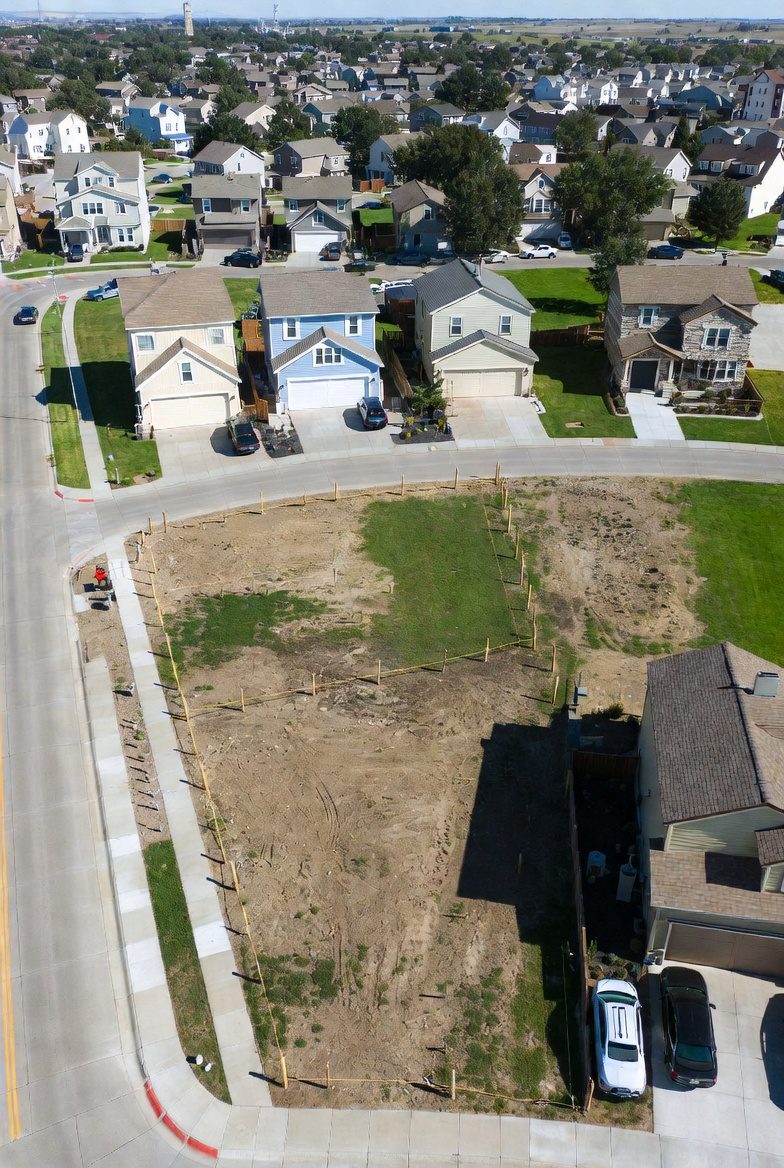
The lot sets the tone for everything that follows. It decides sunlight, privacy, yard space, and even how a floor plan will feel once furniture is in place. Choosing well is less about hunting for a perfect parcel and more about matching real routines to a site that supports them. This guide walks through the factors that matter and how to evaluate lots across Omaha with clarity.
Start with location, then narrow by lifestyle
Begin with the everyday loop. Map commute routes, school patterns, grocery stops, parks, and weekend activities. Once those anchors are clear, focus on neighborhoods that keep most trips short and simple. From there, compare available sites within the same area so tradeoffs are apples to apples. For a quick scan of where new homes can be built today, it helps to review current communities and note which subdivisions fit your daily map.
Lot size, shape, and slope
Square footage alone does not tell the full story. A deep but narrow lot might suit a long backyard but limit side windows. Corner lots can feel open yet need smart landscaping for privacy. Gentle slopes are ideal for daylight or walkout basements, while flat sites simplify patios and play areas. Stand near the rear setback and imagine fencing, a future garden, or a small sport court. If winter ice is a concern, check driveway pitch and where snow naturally piles after plowing.
Sunlight and orientation
Sun exposure shapes room comfort and outdoor time. South-facing backyards tend to feel bright and warm across the year, which is great for gardening and winter light. West exposures bring long summer evenings but may need shade planning. East light works well for morning coffee on a patio and keeps bedrooms cooler at night. When evaluating a specific plan on a specific lot, walk the site around midday to understand how the sun tracks and where shadows will fall on key rooms.
Utilities, setbacks, and what is under the surface
Ask about utility locations and any easements that limit where decks, sheds, or future additions can go. Confirm front, side, and rear setbacks and how they interact with the plan you prefer. Soil conditions, drainage patterns, and neighboring grades matter more than they first appear. Low spots will collect water, and high retaining walls on adjacent lots may affect privacy. A quick conversation about site prep can prevent surprises later in the schedule.
How the plan fits the lot
Let the lot help choose the plan. Wide sites welcome side windows and flexible elevations. Narrower lots benefit from thoughtful circulation and window placement that protects privacy. If a daylight or walkout basement is a priority, pair the slope with a design that places bedrooms and living areas where light is strongest. Reviewing a range of home plans side by side makes it easier to see which layouts use the site’s strengths without forcing awkward compromises.
Architectural guidelines, fences, and future changes
Most neighborhoods have guidelines that influence elevations, exterior materials, fence styles, and even outbuildings. Ask for the covenants and confirm how they could shape long-term plans, from a future patio cover to a small shed. If you are comparing two lots across different subdivisions, factor in annual HOA dues and maintenance expectations for common areas. These items do not decide comfort on day one, but they matter for years two through ten.
Noise, privacy, and micro-location on the block
A great site on a busy corner may still feel busy. Stand at the lot during normal traffic hours and listen. Note distances to arterials, school pickup queues, and trailheads. Check sightlines from neighboring second stories into your planned backyard. If the block is new, look for the graded positions of future homes to understand window-to-window relationships. Simple adjustments such as shifting a patio or choosing a different elevation can protect privacy without changing subdivisions.
Timeline options if you need to move sooner
If your timeline cannot wait for a full build, consider inventory that is underway in the same area. This path trades some customization for schedule certainty and can still land the neighborhood and exposure you prefer. To see what is available now, start with quick move-in homes and use them as a reference for how certain plans feel on real lots nearby. If you do have flexibility, a ground-up path gives the widest range of sites and orientations.
A simple checklist to compare two lots
Bring this list to each site and note quick impressions:
- Commute routes and time to regular stops
- Sun exposure on the backyard and main living areas
- Slope and driveway angle for winter conditions
- Privacy from neighboring windows and yards
- Setbacks, easements, and room for outdoor plans
- Fit with your top one or two home plans
- Noise levels at typical weekday and weekend times
Two minutes with each line usually reveals a clear winner.
How the building process supports a good lot choice
A structured path helps keep decisions calm. Reviewing the building process before you shop lots clarifies when site surveys happen, how elevations are finalized, and who you will hear from at each milestone. Touring nearby model homes then shows how the same plan feels with different orientations, which can confirm your short list of sites with confidence.
You Can Find a Lot That Works For You in Omaha, Nebraska
The right lot in Omaha is the one that protects everyday routines while setting the home up for long-term comfort. Start with location, let sun and slope guide your plan choice, and verify the practical details that affect privacy and maintenance. With a clear checklist and a few focused tours, the lot decision becomes straightforward, and the rest of the build falls into place.