What Makes Charleston Homes the Best Home Builder in Omaha?
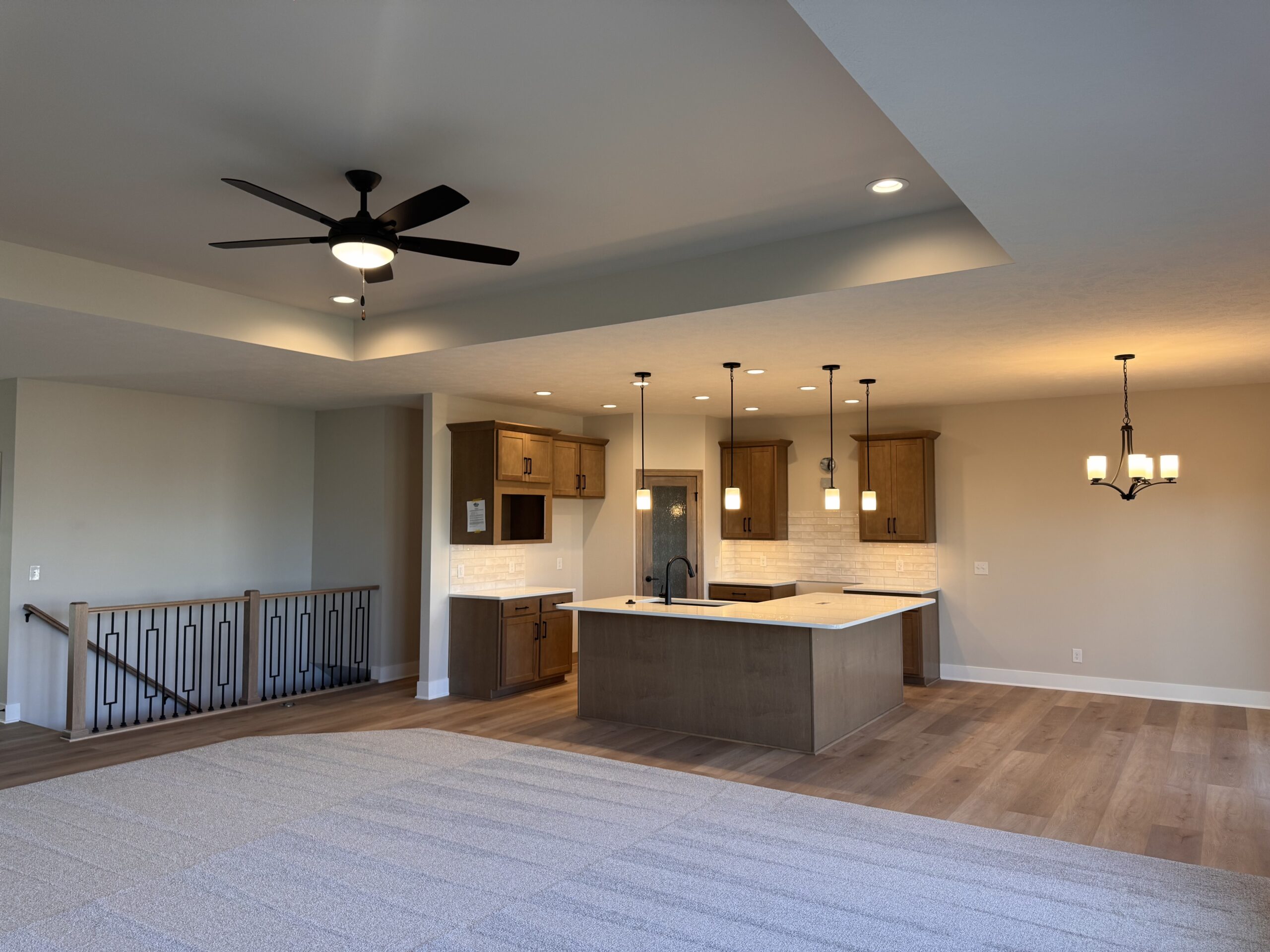
Choosing a builder is a practical decision. Most people want a home that lives well, a process that stays on track, and support that continues after move-in. Charleston Homes makes a credible case on those points by focusing on Omaha neighborhoods, proven floor plans, and clear communication. This guide lays out the criteria that matter and how Charleston stacks up so buyers can decide with confidence.
Local focus that shows up in daily life
Charleston is rooted in the Omaha metro, which influences everything from neighborhood selection to plan details. That local lens tends to produce smarter siting, realistic storage, and layouts that match how families here actually live. It also means direct access to models and the teams who build them. Touring model homes turns paper plans into real rooms, which is often where a decision becomes clear.
Semi-custom flexibility without open-ended risk
Fully custom builds are exciting, but they can stretch budgets and schedules. Charleston operates in a semi-custom lane that gives meaningful choice inside a trusted library of home plans. Buyers start with a ranch or two-story that already solves core needs, then personalize where it counts. Because the base designs are proven, trades know the sequence and materials, bids are clearer, and construction moves predictably. The result is a home that feels personal without the uncertainty of a one-off.
Neighborhood options that fit real routines
The right plan on the wrong block still misses. Charleston builds across a range of Omaha-area communities, which helps buyers match school routes, commute times, and park access before picking finishes. Micro-location matters, too. Sun exposure, backyard privacy, and driveway slope affect comfort well after move-in. Seeing several lots in one area and walking them at different times of day makes tradeoffs obvious, and the team can explain which elevations fit which sites so expectations stay realistic.
Included features versus upgrades, explained plainly
A livable home starts with fundamentals. Strong flow from garage to kitchen, durable surfaces in high-traffic areas, and storage where clutter actually gathers do more to improve daily life than decorative extras. Charleston’s approach is to cover the essentials in the base and offer upgrades where they create a real improvement. During a model tour, ask for the inclusions sheet, then focus on items that change function, such as pantry capacity, lighting at work zones, and basement readiness for a later finish. Shoppers who compare on function rather than flash tend to feel better about their choices years later.
A process that reduces noise
The difference between a calm build and a chaotic one is clarity. Charleston outlines a step-by-step building process that defines milestones from contract to keys, who communicates at each stage, and how decisions are documented. Regular updates keep everyone aligned on timing, selections, and field changes. Homes are complex. What matters most is how quickly questions are answered and how cleanly issues are resolved. A predictable cadence is often the most valuable feature buyers never see in a brochure.
Options when timing matters
Life does not always line up with a ground-up schedule. Buyers who need certainty sooner can consider inventory that is underway or complete. Charleston publishes current quick move-in homes, which provide the same construction standards with fewer decisions and a faster path to closing. The tradeoff is less customization. The upside is a firm location and a clear date, which can prevent short-term rentals or awkward lease overlaps.
Service after the handshake
A builder’s reputation shows up most clearly after move-in. Charleston emphasizes straightforward communication for warranty requests and scheduled check-ins during the first year. Typical items include seasonal adjustments, comfort balancing, and manufacturer fixes. Because teams are local and familiar with the plans, diagnosis is faster and visits are easier to coordinate. Owners get answers instead of runaround, which is the support that really builds trust.
A simple checklist for objective comparison
Bring these points to model tours and lot walks. They cut through hype and keep the focus on how the home will live.
- Function: traffic flow, storage where it counts, natural light in daily spaces
- Fit: lot options that match commute, schools, parks, and privacy needs
- Finish: what is included versus true upgrade costs, with examples that affect use
- Future: basement planning, flex rooms, and how easily spaces can change roles
- Follow-through: process cadence, who communicates, and real warranty mechanics
- Flexibility: availability of quick move-in options if timing is tight
Two homes that look similar on paper can feel very different against this list.
What shoppers usually notice first
After a few tours, consistent themes appear. Kitchens with sensible work zones beat flashy features. Mudrooms that actually handle bags and shoes reduce daily stress. Primary suites feel larger when storage is efficient and windows are placed for privacy and light. Upstairs laundry near bedrooms shortens chores. Small choices like stair placement, hallway width, and outlet locations often decide which plan wins even when square footage is the same.
Nebraska’s New Home Builder
Charleston Homes stands out by pairing Omaha-centric neighborhoods with semi-custom plans, a transparent process, and reachable support after closing. The approach is practical rather than promotional, which is what most buyers want. If a builder helps you compare on function, lot fit, and schedule, and if it keeps communication steady from first tour to first year, you can reach your own conclusion without pressure. Touring a few model homes, scanning the plan library, and checking nearby communities is usually all it takes to see whether the fit is right.