Why More Buyers Are Choosing New Homes in Omaha Over Existing Homes
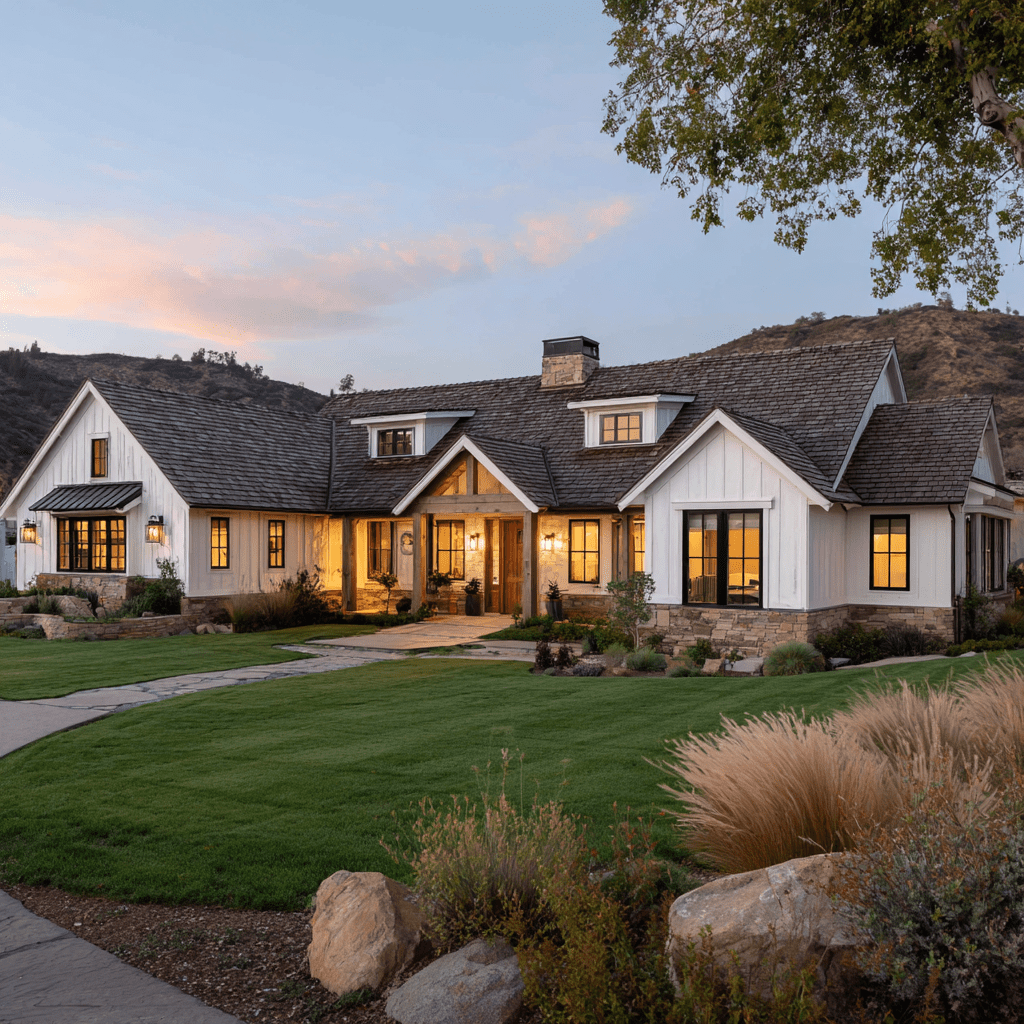
In Omaha, more buyers are giving new construction a serious look, even if they originally planned to buy an existing home. It is not just about wanting something shiny and new. For many households, the decision is practical: fewer surprises, layouts that fit modern routines, and a clearer path from shopping to move-in.
That does not mean existing homes are a bad option. Omaha has incredible established neighborhoods, mature trees, and homes with character you cannot replicate. But the reasons people are leaning toward new builds are worth understanding, especially if you are trying to make a confident, budget-smart decision.
Existing-home surprises are harder to stomach
Most buyers go into an existing-home purchase knowing there will be “some maintenance.” The problem is that “some” can turn into “a lot,” quickly.
Roof age, HVAC life, windows, grading, plumbing updates, and electrical panels are not glamorous, but they are expensive. Even when an inspection is clean, older systems still have a timeline. Many buyers are realizing they would rather roll more of their investment into the purchase up front than inherit a stack of projects right after closing.
New construction is not maintenance-free, but the early years tend to be more predictable. The big-ticket systems are new. The home is built to current standards. And when something does come up, the support structure matters. For example, Charleston makes post-close service straightforward through its warranty requests process, which is the kind of detail buyers pay attention to when comparing builders.
Buyers want layouts that match the way life actually works
A lot of existing Omaha homes were built for a different rhythm: separate formal spaces, smaller kitchens, less storage, and fewer flexible rooms. They can be beautiful, but they sometimes fight modern routines.
New home layouts often solve everyday friction:
Kitchen and living spaces that connect without feeling cramped
Mudroom and drop-zone flow from the garage
Pantries that handle real grocery runs
Flex rooms that can become an office, guest space, or playroom
This is one of the biggest reasons people shift their search. When buyers walk new construction plans, they can picture daily life faster. Browsing a builder’s plan lineup also helps narrow what style fits, whether that is a ranch, a two-story, or something with a main-level primary suite. Charleston organizes that comparison clearly within its home plans.
Energy efficiency and comfort are real quality-of-life upgrades
Omaha weather makes efficiency more than a nice-to-have. Hot summers, cold winters, and rapid swings in spring and fall can expose a home’s weak spots fast.
Many buyers notice the difference right away in newer builds: more consistent temperatures, fewer drafty zones, and often lower utility volatility. Even if the monthly savings is not dramatic, the comfort is. And comfort is one of those things people only fully appreciate after living through a winter and a summer.
The market has made “move-in ready” harder to find
In many price points, buyers want existing homes that are updated, clean, and ready to go. Those homes exist, but they tend to attract attention quickly. When inventory is tight, buyers can find themselves choosing between:
A home that is move-in ready but priced accordingly
A home that is cheaper but needs immediate work
A home that checks the boxes but requires compromising on location or layout
New construction can feel like a more controlled process. Instead of hoping the right existing home shows up at the right moment, buyers can choose a plan, choose a neighborhood, and follow a clear timeline.
People want more certainty around timing
New construction used to have a reputation for being unpredictable. But buyers are increasingly asking for transparency and timeline clarity, especially when they are coordinating leases, school years, or a relocation.
Charleston addresses timing in a concrete way: it states that at the purchase agreement they provide a three-week completion window, then give an exact completion date 60 days prior to completion, and they note they have never missed a completion date (outside of a single instance of a slight mishap with a wayward tornado). That kind of specificity matters to families trying to plan a move without chaos.
For buyers who do not want to wait for a full build, quick move-in inventory can bridge the gap. Charleston lists available new builds through Homes Ready Now, which is useful for timing-sensitive households who still want the benefits of new construction.
Neighborhood growth is pulling attention west and south
Omaha’s growth patterns have created more new-construction opportunities in areas where buyers want to live: access to schools, commute routes, parks, and newer retail. For many households, the appeal is not “new construction” in a vacuum. It is the combination of new homes and neighborhood convenience.
Looking at active communities helps buyers understand which parts of the metro currently have lots available and what kind of neighborhood environments those communities offer.
The best reason: buyers are trading renovation stress for predictability
Renovations can be rewarding. They can also be time-consuming, expensive, and emotionally draining, especially for first-time buyers or households with kids and busy schedules. Even small projects pile up. Paint turns into flooring. Flooring turns into lighting. Lighting turns into “should we just redo the kitchen.”
A new home shifts the workload. Instead of living through upgrades, buyers make decisions up front and move into a home that is ready to live in. For many people, that tradeoff is the whole point.
New Homes in Omaha
More buyers are choosing new homes in Omaha because the benefits are practical: fewer early repairs, modern layouts that make daily life easier, better comfort and efficiency, clearer move timelines, and neighborhoods with strong long-term appeal. Existing homes can still be a great choice, especially for those who love established areas and do not mind projects. But for buyers who want predictability and a smoother first few years of ownership, new construction is increasingly hard to ignore.